
Mindful clarity for steady daily focus

This website shares educational routines for attention and daily planning. Methods are practical, adaptable, and intended for general informational use in the Netherlands.

How Our Team Builds Useful Guides

Our editorial workflow starts from real situations: overloaded calendars, noisy environments, and fragmented attention. For each topic, we document a clear routine with timing, adaptation options, and a short review method. This approach helps readers test content immediately instead of collecting theory without action.

A practical writing rule we follow is the "one page, one outcome" model. Every page should answer one direct question: what to do now, how long it takes, and what to adjust next time. This keeps articles readable and easy to reuse during busy weeks.

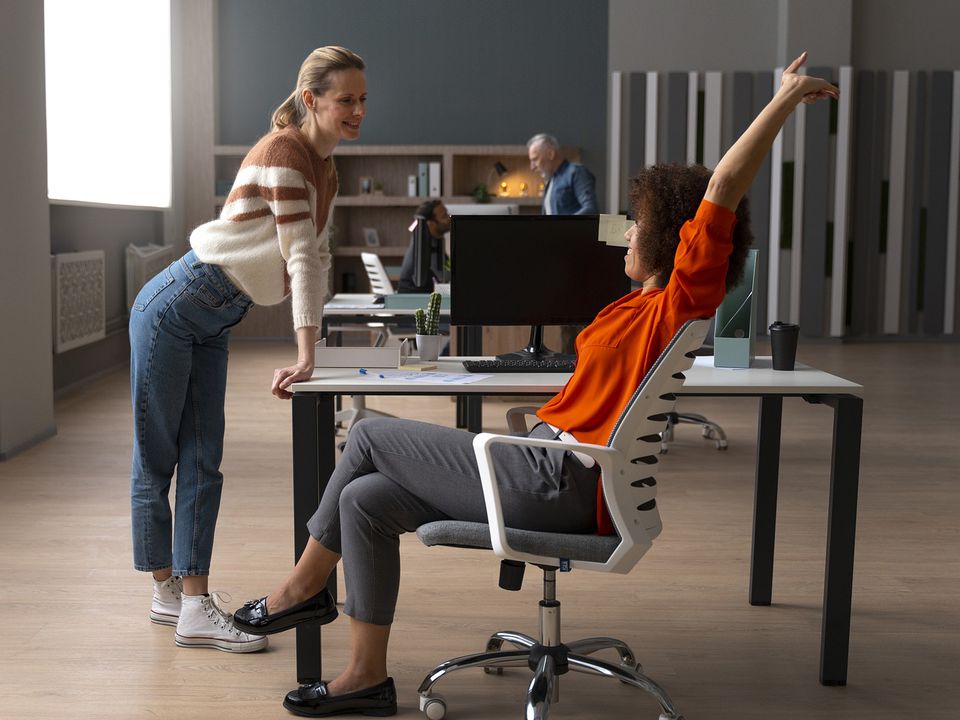
Editorial wellness planning session

About our approach

We publish practical mindfulness content designed for realistic daily use in the Netherlands.

1) Editorial principles

Each topic on this website begins with a practical challenge that many people encounter in ordinary routines: scattered attention, overloaded planning, fast context switching, or difficulty ending the day with clear priorities. We do not start from abstract theory; we start from real situations and then translate them into practical steps that can be tested immediately. Every article follows a predictable architecture: context, method, adaptation options, and a short reflection prompt. This structure helps readers find relevant information quickly and apply it without unnecessary complexity.

When we describe exercises, we break them into small actions with timing cues. For example, breathing practices include count options, movement practices include posture notes, and planning practices include prompt templates. This granular style supports flexibility, because readers can shorten, extend, or rearrange elements depending on schedule and environment. We intentionally avoid dramatic language and exaggerated framing. Instead, we focus on process quality: consistency, pacing, attention recovery, and practical review. This makes the content easier to trust and easier to reuse in different contexts.

Our editorial workflow also includes clarity checks for readability. Drafts are reviewed for plain-language phrasing, logical transitions, and actionable phrasing. Sentences are kept concise, examples are concrete, and definitions are included where needed. We also verify that each page offers at least one realistic entry point for beginners and one adaptation option for experienced readers. The goal is not to impress with complexity but to provide a clear route from reading to practice.

Another principle is transparent scope. We describe what a routine is designed to do in daily life, where it fits best, and how it can be adjusted when time is limited. If a method is better for transitions than for deep focus, that distinction is stated directly. By keeping scope explicit, we reduce confusion and support better personal decision-making. In short, editorial principles on this site are built around practical relevance, honest wording, and repeatable structure.

2) Health & Safety Guidelines

All mindfulness and movement practices on this site are designed for moderate intensity and adaptable pacing. Before starting any routine, check your environment: stable flooring, enough personal space, comfortable temperature, and minimal obstacles around you. Choose breathable clothing that allows natural movement and avoid tight posture positions for long periods. If you use a chair, keep feet grounded and hips supported; if you stand, distribute weight evenly and avoid locking knees.

Breathing exercises should remain smooth and comfortable throughout the session. Use count patterns that feel manageable, and avoid forcing deep inhalations or long exhalations when the rhythm feels unsuitable. If lightheadedness appears, return to natural breathing and pause. During movement sequences, prioritize controlled transitions instead of speed. Keep range of motion moderate, especially in neck, shoulders, and lower back. A slower pace with stable form is usually safer and more sustainable than abrupt repetitions.

Hydration and pacing are also practical safety factors. Keep water nearby for sessions longer than ten minutes. For longer workshops, include short breaks between blocks to reset posture and attention. If you practice in group settings, respect personal space and shared timing cues from facilitators. This reduces accidental collisions and supports predictable flow.

After practice, take one minute to reorient before returning to demanding tasks. Stand or sit quietly, breathe naturally, and note whether you feel ready for focused work. If not, add a short transition action such as a slow walk or shoulder release. Safety is not a separate phase; it is embedded in setup, pacing, movement range, and exit strategy. This approach supports steady participation and responsible routine design.

3) Events Calendar

Workshops and reflection circles are listed with format, duration, and location notes.

View events

In-Depth Weekly Clarity Method: Observe, Organize, Act

A useful long-form routine for weekly clarity review is the Observe-Organize-Act cycle. Begin with Observe for seven minutes. Open your notebook and list all current demands without judging them: deadlines, family logistics, unfinished messages, and projects waiting for decisions. Then mark each item with one of three tags: now, later, or delegate. This externalizes mental load and reduces invisible pressure. During this step, keep your body relaxed and breathe at a natural pace so the process stays calm and structured.

Move to Organize for twelve minutes. Build three blocks: deep focus, light admin, and recovery pause. Deep focus holds one cognitively demanding task for 25 to 40 minutes. Light admin groups routine actions such as scheduling and short replies. Recovery pause can be a brief walk, stretch, or breathing sequence. By pre-assigning task types, you lower context switching and preserve attention quality. If your day includes meetings, place deep focus before or after meeting clusters to avoid fragmented concentration.

Use a practical reflection checkpoint once in the afternoon: ask what changed, what remains relevant, and what one action can close the day with clarity. This keeps your plan adaptive without becoming reactive.

The final Act phase takes around ten minutes and includes two concrete practices. First is a 90-second sensory anchor: look at one fixed point, notice three sounds, and feel both feet on the ground. This quickly stabilizes attention when pace increases. Second is a single-step launch: choose one task and define only the first visible step, such as opening a draft, preparing a short outline, or collecting source links. Starting with a visible step lowers resistance and supports momentum.

For modern workflows, pair this cycle with a digital hygiene rule: mute nonessential notifications during deep focus, and check communication channels in planned windows. Add a micro note at the end of each block with two prompts: "what supported focus" and "what interrupted it". After several days, these notes reveal patterns you can redesign, such as noisy time slots or overloaded to-do lists. This turns mindfulness into an operational skill, not an abstract idea.

In group environments, teams can run a short version at the start of a week: three minutes of silent planning, five minutes of priority sharing, and two minutes for coordination decisions. The structure keeps communication clear and reduces unnecessary urgency. This approach helps transform scattered activity into intentional workflow design while respecting personal pace.

4) FAQs

How often is content reviewed?

Core pages are reviewed quarterly and event information is updated monthly.

Who is this content for?

For adults seeking practical structure for calmer, clearer daily focus.

5) Collaboration

Use the contact form for educational partnerships, event requests, and accessibility support questions.

Advertising and Content Transparency

This website publishes educational lifestyle content with neutral wording and transparent intent. We do not publish guaranteed outcomes, urgent pressure messaging, or misleading before/after performance claims. Information is provided to support informed personal choices and should be interpreted as general educational material.

If advertisements are shown, they are reviewed for policy alignment, factual clarity, and legal compliance with applicable EU and Dutch standards. Users can contact us to request clarification about any published statement or communication.